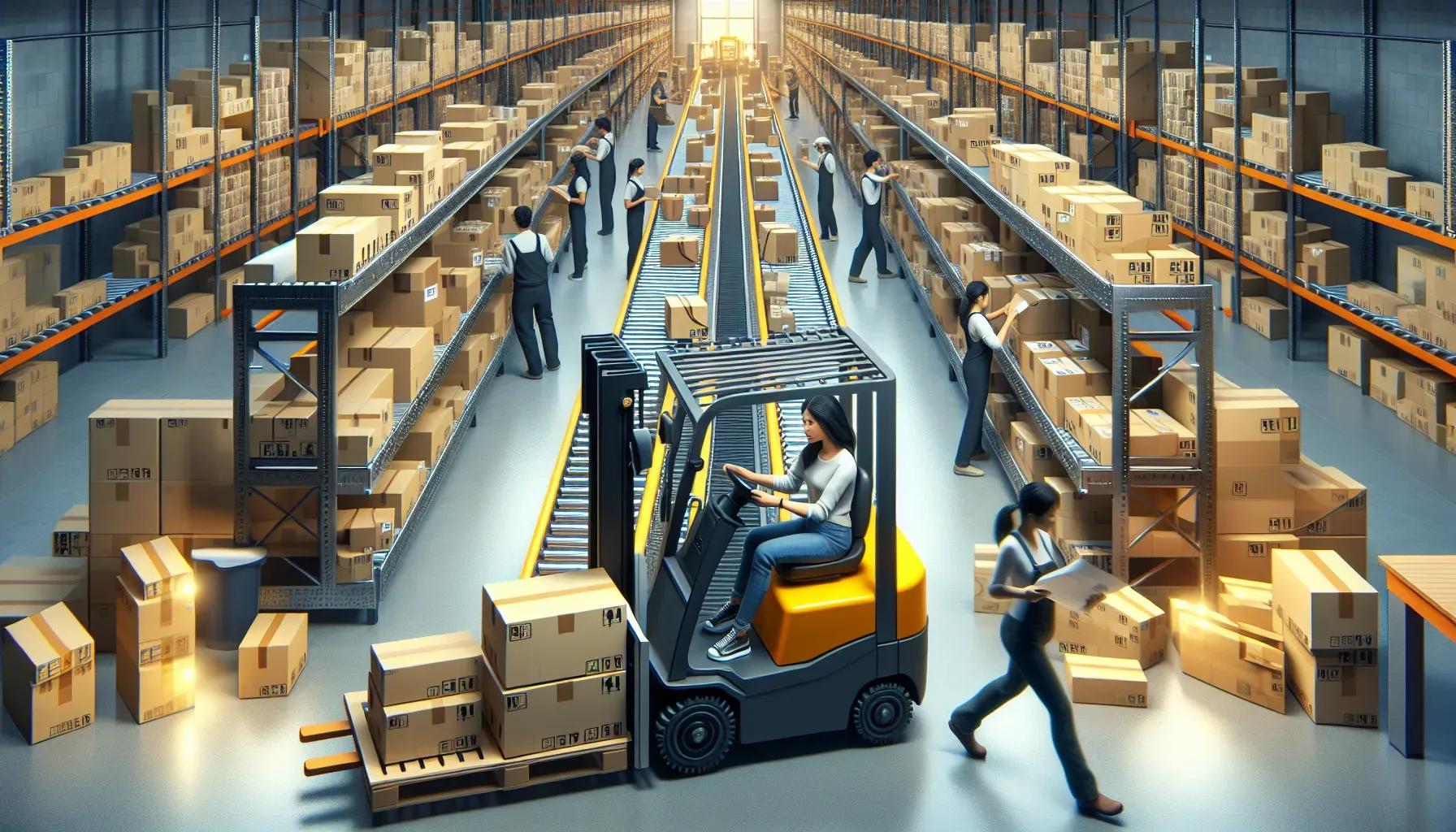

Welcome to our deep dive into the transformative power of e-commerce on logistics. In this comprehensive blog post, we will explore the profound changes that e-commerce has brought to the logistics industry. We'll dissect the challenges, opportunities, and the future outlook of this dynamic relationship. So, buckle up and join us on this enlightening journey!
The E-Commerce Boom and Its Implications for Logistics
The e-commerce industry has seen an unprecedented boom in recent years. This rapid growth has necessitated a parallel evolution in logistics. The need for efficient, reliable, and fast delivery services has never been more critical.
E-commerce businesses rely heavily on logistics to ensure customer satisfaction. The logistics industry, in turn, has had to adapt and innovate to meet these demands. The impact of e-commerce on logistics is multifaceted, affecting everything from warehouse operations to last-mile delivery.
Warehouse operations have seen significant changes. The traditional model of storing bulk items for long periods has given way to a more dynamic approach. Warehouses now need to handle a larger variety of items and ensure their quick turnover.
Last-mile delivery, the final step in the logistics chain, has also been revolutionized. Customers now expect quick, often same-day, delivery. This demand has led to the development of innovative solutions like drone deliveries and smart lockers.
Challenges Posed by E-Commerce to Logistics
While e-commerce presents opportunities, it also poses considerable challenges to the logistics industry. One of the most significant challenges is managing the high volume of returns. E-commerce has a much higher return rate than traditional retail, putting pressure on logistics to handle reverse logistics efficiently.
Another challenge is the demand for fast, often same-day, delivery. This demand puts a strain on logistics providers, requiring them to optimize their operations for speed without compromising on cost-effectiveness.
The need for transparency is another challenge. Customers today want to know the exact status of their orders at all times. This demand requires logistics providers to invest in technology that allows real-time tracking.
Technological Innovations in Logistics Driven by E-Commerce
The challenges posed by e-commerce have driven technological innovation in logistics. Artificial Intelligence (AI) and Machine Learning (ML) are now being used to predict demand and optimize warehouse operations.
Blockchain technology is being used to increase transparency in the supply chain. It allows all parties involved to track a product from the manufacturer to the customer.
Drone technology is being explored for last-mile delivery. Drones can deliver packages quickly and efficiently, helping to meet the demand for same-day delivery.